
Basic IoT Projects: A Complete Beginner’s Guide to Getting Started
February 10, 2026
Biomedical Engineering Projects for Students
February 27, 2026
For every Electronics and Communication Engineering (ECE) student, moving from classroom theory to practical implementation is a crucial step in their educational journey. One of the most effective ways to make this transition is by undertaking mini projects for ECE engineering students. These compact, manageable projects allow students to explore concepts in electronics, embedded systems, communication, and signal processing while developing problem-solving skills and technical expertise.
In this guide, we will delve into the importance of mini projects, explore their benefits, explain the methodology for undertaking them, and outline how they contribute to career readiness and higher studies. All of this will be done without focusing on specific project examples, keeping the discussion conceptual and broadly applicable.
Table of Contents
Why Mini Projects for ECE Engineering Students Are Essential
Mini projects act as a bridge between theoretical learning and real-world application. While textbooks provide fundamental principles, only hands-on experience helps students truly grasp complex electronics and communication systems.
Some key reasons why mini projects are indispensable for ECE students include:
- Practical Reinforcement of Theory – Students can observe how concepts like signal modulation, embedded control systems, or communication protocols work in practice.
- Skill Development – Mini projects foster technical skills in circuit design, programming, sensor integration, and hardware-software interfacing.
- Problem-Solving Ability – When problems arise, students learn to troubleshoot, debug, and optimize, which strengthens analytical thinking.
- Innovation and Creativity – By experimenting within a controlled framework, students are encouraged to find innovative solutions to engineering challenges.
- Career Preparation – Projects provide tangible evidence of capability, which is valuable for internships, placements, and higher studies.
The act of designing, implementing, and refining a mini project enables students to approach real-world engineering problems with confidence, making these projects more than just academic exercises.
Key Benefits of Doing Mini Projects
Engaging in mini projects for ECE engineering students has numerous advantages that go beyond technical knowledge. These benefits include:
1. Enhanced Conceptual Understanding
The process of converting a theoretical concept into a working system forces students to deeply understand the principles involved. For example, concepts in digital signal processing, microcontroller interfacing, and communication protocols become more intuitive when applied practically.
2. Hands-On Technical Skill Development
Mini projects provide experience with hardware and software tools that are widely used in the industry. Students learn to work with microcontrollers, sensors, programming environments, and simulation software — all essential skills for a career in electronics and communication engineering.
3. Strengthened Analytical and Problem-Solving Skills
Designing a project involves continuous problem-solving. Students must identify errors, hypothesize solutions, and test them iteratively. These problem-solving skills are transferable to any professional setting.
4. Portfolio and Resume Enhancement
A well-documented collection of mini projects demonstrates initiative, practical knowledge, and creativity. Employers often value this hands-on experience more than academic grades alone.
5. Soft Skills and Collaboration
Mini projects often involve teamwork, requiring students to communicate effectively, manage tasks, and delegate responsibilities. These soft skills are critical for success in professional environments.
By undertaking mini projects for ECE engineering students, learners acquire a balanced mix of technical and interpersonal skills that position them for success both academically and professionally.
How to Approach Mini Projects for ECE Engineering Students
A structured approach ensures that mini projects are both educational and achievable. Here’s a roadmap for ECE students to maximize their learning outcomes:
Step 1: Define the Purpose
The first step is understanding the objective of your project. Identify the concept or principle you wish to explore. This ensures that your work remains focused and relevant. Clear objectives also help measure the success of the project and provide direction for research and implementation.
Step 2: Conduct Research
Before starting, gather information on your chosen topic. Study theories, explore existing solutions, and understand the underlying principles. Research helps identify potential challenges and guides the selection of appropriate tools and methodologies.
Step 3: Plan Your Workflow
Planning is critical. Break the project into smaller phases such as:
- Conceptualization and design
- Component or tool selection
- Implementation and coding
- Testing and optimization
A step-by-step workflow prevents errors, reduces frustration, and ensures systematic progress.
Step 4: Gather Tools and Resources
Equip yourself with the necessary hardware, software, and reference materials. Familiarity with development boards, simulation software, programming environments, and documentation resources is essential. Access to a well-stocked toolkit accelerates learning and ensures smoother project execution.
Step 5: Implementation and Testing
Begin the hands-on work, carefully following your plan. Test each stage thoroughly before integrating it into the complete system. Iterative testing ensures functionality and helps identify errors early. Document the results of each iteration to track progress and facilitate troubleshooting.
Step 6: Documentation
Documenting every step is crucial. Include diagrams, flowcharts, code snippets, and observations. Comprehensive documentation not only strengthens your learning but also demonstrates your capability to mentors, recruiters, and peers.
Step 7: Evaluation and Reflection
After completion, evaluate the project against the initial objectives. Reflect on what worked, what challenges were faced, and how they were overcome. Reflection enhances learning and provides insights for future projects.
Essential Tools and Platforms
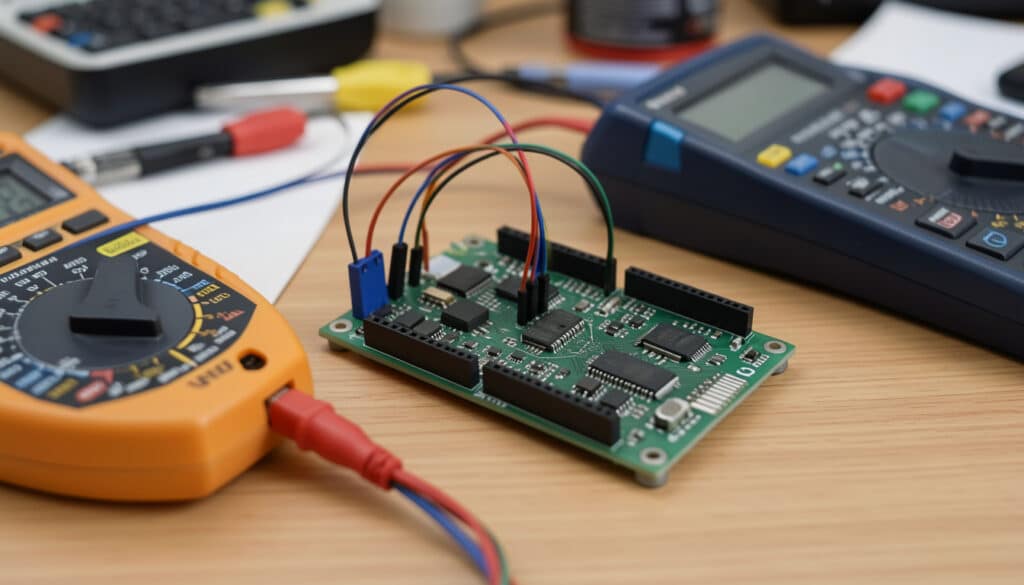
Even without specific project examples, understanding the tools and platforms used in mini projects is crucial for ECE students:
Hardware Platforms
- Microcontrollers and development boards provide a foundation for experimenting with electronics principles. Familiarity with these platforms is critical for successful project implementation.
Simulation and Design Software
- Simulation tools allow students to test circuits and algorithms virtually. This reduces the risk of hardware damage and accelerates the learning process.
Programming and IDEs
- Knowledge of programming languages and integrated development environments (IDEs) is essential for coding embedded systems, communication protocols, and signal processing algorithms.
Sensors and Modules
- Understanding the functionality of sensors and communication modules allows students to implement a wide range of systems and troubleshoot effectively.
Mastering these tools prepares students to execute mini projects for ECE engineering students efficiently and confidently.
Skills Developed Through Mini Projects
Mini projects serve as a comprehensive learning experience. The skills developed can be categorized into technical and soft skills:
Technical Skills
- Analytical Thinking – Projects encourage systematic analysis and critical evaluation of results.
- Circuit Design and Programming – Hands-on experience with hardware and software bridges the gap between theory and practice.
- Troubleshooting and Debugging – Identifying and resolving errors builds confidence and technical expertise.
Soft Skills
- Creativity – Developing solutions and experimenting with approaches fosters innovation.
- Time Management – Balancing project work with academic responsibilities enhances planning skills.
- Communication – Documenting and presenting findings strengthens technical communication.
- Collaboration – Working in teams improves interpersonal and leadership skills.
The combination of these skills prepares ECE students for professional success and lifelong learning.
Career Impact and Higher Studies
Completing mini projects can significantly influence career opportunities and higher studies options:
- Internships and Job Placements – Projects demonstrate practical expertise, making candidates more attractive to recruiters.
- Research Opportunities – Projects can evolve into research work or form the foundation for thesis projects.
- Skill Validation – Practical experience provides evidence of technical proficiency beyond academic grades.
- Networking – Sharing projects at workshops, exhibitions, or online platforms can lead to mentorship and collaboration opportunities.
For ECE students, engaging in mini projects for ECE engineering students equips them with the confidence and experience to tackle advanced problems in academics and industry alike.
Common Challenges and Solutions
Even without project specifics, students face common obstacles when working on mini projects:
Challenge 1: Lack of Tool Knowledge
Solution: Invest time in learning the software, simulation platforms, and hardware components before starting. Online tutorials and peer guidance are invaluable.
Challenge 2: Component or Software Issues
Solution: Test individual components or modules before integrating them. Maintain backups of code and design files to prevent setbacks.
Challenge 3: Time Management
Solution: Break the project into milestones and track progress regularly. Allocating dedicated hours each week ensures steady advancement.
Challenge 4: Documentation Gaps
Solution: Maintain detailed notes of procedures, observations, and iterations. Organized documentation aids troubleshooting and improves presentation quality.
Overcoming these challenges develops resilience, persistence, and professional competence, all essential qualities for engineers.
Best Practices for Successful Mini Projects
To maximize learning and impact from mini projects for ECE engineering students, follow these guidelines:
- Start Small, Think Big – Focus on manageable tasks while keeping long-term goals in mind.
- Iterative Development – Implement, test, and refine systems in stages.
- Collaborate and Communicate – Seek feedback and share ideas with mentors or peers.
- Prioritize Documentation – Keep detailed records of design, implementation, and results.
- Reflect on Outcomes – Evaluate successes, challenges, and learning points to guide future projects.
Following these practices ensures projects are both educational and impactful.
ElysiumPro helps engineering students bring their ideas to life by providing guidance and support for mini projects, final year projects, and technical documentation. With years of experience in mentoring students, they offer step-by-step assistance, practical insights, and hands-on support to make project work easier and more effective. By working with ElysiumPro, students not only complete their projects successfully but also gain valuable skills that prepare them for future careers in engineering.
Conclusion
Mini projects are an indispensable aspect of Electronics and Communication Engineering education. Engaging in mini projects for ECE engineering students enables learners to bridge the gap between theory and practice, develop essential technical and soft skills, and strengthen career prospects.
Even without focusing on specific projects, understanding the methodology, tools, benefits, and best practices equips students to undertake meaningful work that enhances learning, confidence, and professional readiness.
For ECE students, mini projects are more than academic exercises—they are stepping stones toward innovation, practical expertise, and lifelong engineering success.
FAQ
1. What are Mini Projects for ECE Engineering Students?
Mini projects for ECE engineering students are small academic projects that help students apply theoretical knowledge in electronics and communication to practical implementations. They focus on improving technical understanding, circuit design skills, programming ability, and system integration experience.
2. Why Are Mini Projects Important for ECE Students?
Mini projects bridge the gap between theory and practical application. They enhance hands-on skills, analytical thinking, and troubleshooting ability. They also strengthen resumes and improve confidence during technical interviews and campus placements.
3. How Do I Select the Best Mini Project as an ECE Student?
To choose the right project, consider your area of interest, available tools, academic level, and career goals. It’s important to pick a topic that challenges you while remaining achievable within your timeline. Proper planning and guidance also play a crucial role in successful completion.
4. How Long Does It Take to Complete Mini Projects for ECE Engineering Students?
The duration depends on complexity and scope. Most mini projects can be completed within 2 to 6 weeks with consistent effort and structured planning. Proper documentation and testing are essential to ensure quality results.
5. How Can ElysiumPro Help with Mini Projects?
ElysiumPro provides professional guidance, technical mentoring, and structured support for students working on mini projects. They assist with project planning, implementation, documentation, and presentation, helping ECE students improve practical knowledge and successfully complete academic requirements.